16 April 2026
Flaxseed vs Linseed: What’s The Difference?
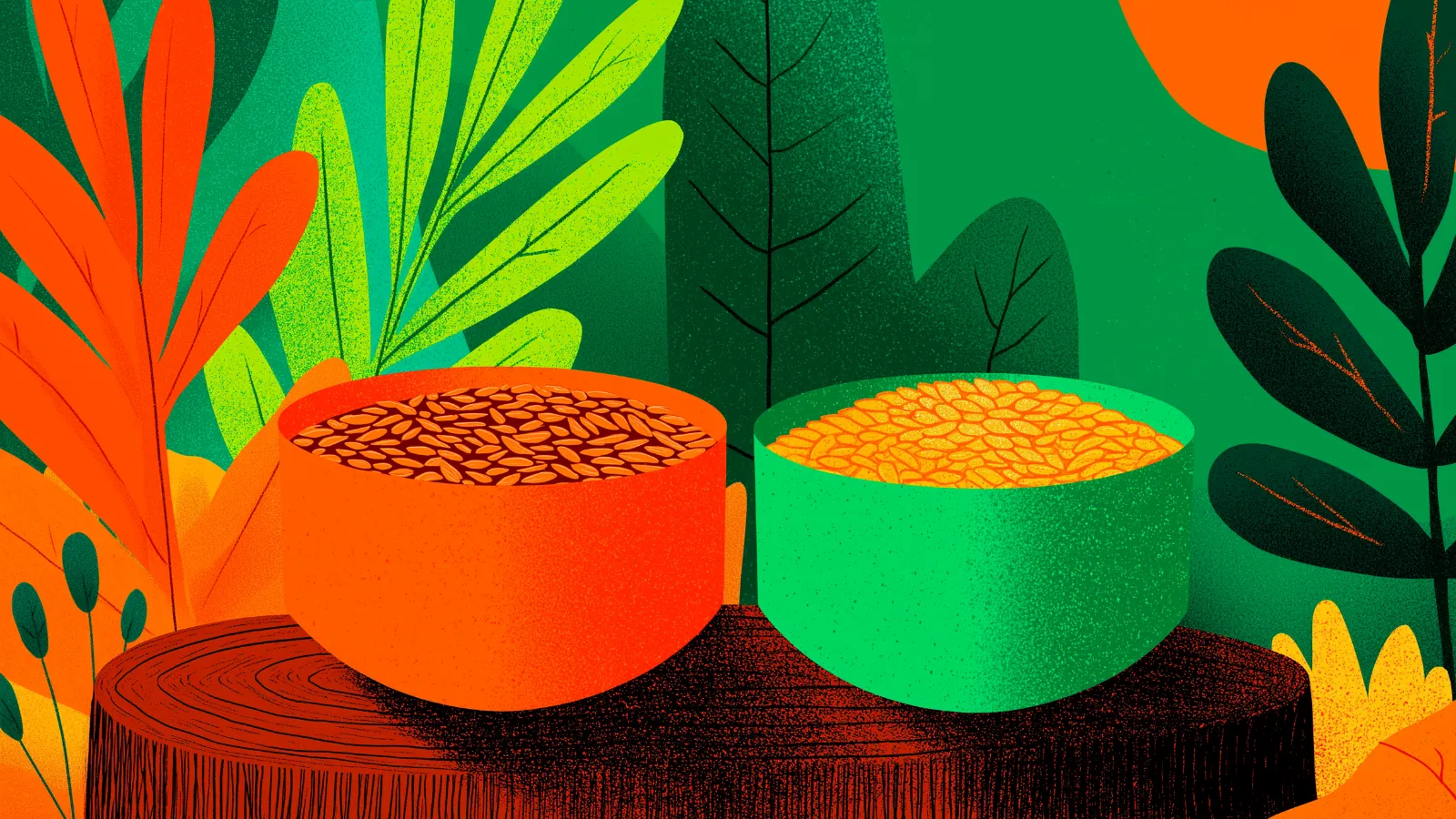
The linseed oil on the shelf at a hardware store and the flaxseed in your muesli bar actually come from the same plant. One is not very tasty (in fact not good for eating at all). The other is marketed as a superfood for its omega-3 content.
We often get questions asking whether the flaxseed on a product brief is the same as the linseed we supply, or whether two quotes for apparently different products are actually for the same seed. Here is what you need to know.
Are flaxseed and linseed the same?
Flaxseed and linseed are the same seed from the same plant, Linum usitatissimum. One species, one crop, no botanical difference. If you buy “flaxseed” in North America and “linseed” in Australia, you are buying from the same cultivated species, and at a commodity level the seeds are functionally interchangeable.
The distinction is cultural and industrial, not biological.
Why we use both terms in Australia
Linseed is the older agricultural and industrial name. The plant was grown in Australia and Britain long before it was marketed as a health food, and it was grown for both the seed and its oil. The oil is used in paints, varnishes, putty and linoleum (the name is no accident), and the seed is used in stockfeed and traditional grain bread.
Flaxseed entered the Australian food vocabulary later, largely through North American health branding in the 1990s and 2000s. The omega-3 story, the muesli bar, the wellness aisle — that shift brought “flaxseed” onto Australian labels alongside the traditional name. Many Australian bakeries and manufacturers still prefer linseed on pack, partly out of habit and partly because their customers grew up with it.
For B2B procurement, the practical effect is this: the two words get used interchangeably, but the word a buyer chooses often hints at what they are expecting. Someone specifying flaxseed on a spec sheet may be assuming the food-grade, often imported, North American-style product. Someone specifying linseed is usually speaking the language of Australian agriculture.
Brown linseed vs golden linseed
Both brown and golden linseed come from the same species. They are different cultivars, not different crops.
Functionally, they are close enough that most applications use whatever is available and priced sensibly. Brown is the default across Australian suppliers. It’s slightly nuttier, and sometimes fractionally higher in alpha-linolenic acid. Golden is milder, visually cleaner in pale bakery products (pita, crackers, light-crumb breads), and typically carries a price premium.
If your finished product is all about appearance, golden might be preferable. If it does not, the colour choice is cosmetic.
Food-grade vs industrial-grade
This is where the wrong answer can hurt you. Linseed oil on a hardware store shelf is pressed from the same species as food-grade flaxseed, but it is a fundamentally different product. Industrial linseed oil is made from varieties bred for their drying properties and is often boiled or treated with metallic driers. It is not food safe.
Some food-grade cultivars (the Solin or Linola types, bred originally in Australia and Canada) are deliberately low in alpha-linolenic acid (ALA), which makes their oil heat-stable for cooking but which also strips out the omega-3. Traditional high-ALA cultivars are what the food industry usually wants when selling on an omega-3 claim.
When you are sourcing, the cultivar and grade matter more than whether the bag says “flaxseed” or “linseed.”
Flaxseed vs flaxseed meal
Whole linseed looks great on top of a loaf of bread, but most of it passes through the digestive system intact. The omega-3 and lignan benefits are more bioavailable when the seed is broken. Linseed meal is the industrial answer to this.
The trade-off is shelf life. Ground flaxseed oxidises quickly. Oil inside an intact seed is stable for a year or more. But the same seed ground and left at room temperature will start to taste rancid within weeks. For manufacturing, this usually means either milling in-line, ordering stabilised (nitrogen-flushed or vacuum-packed) product, or designing recipes around whole or cracked seed and leaving the grinding to the consumer.
What to look for in the specs
Whether you call it flaxseed or linseed, the spec sheet is what decides what lands on your dock. A few things worth considering for flaxseed (or linseed):
- Cultivar — brown, golden, or a low-ALA Solin type?
- Moisture and FFA (free fatty acid) — the indicators for oxidation risk
- Origin — Australian, Canadian or Indian; each has typical grade and quality profiles