25 March 2026
Lentil Types: Understanding The Different Varieties of Lentils
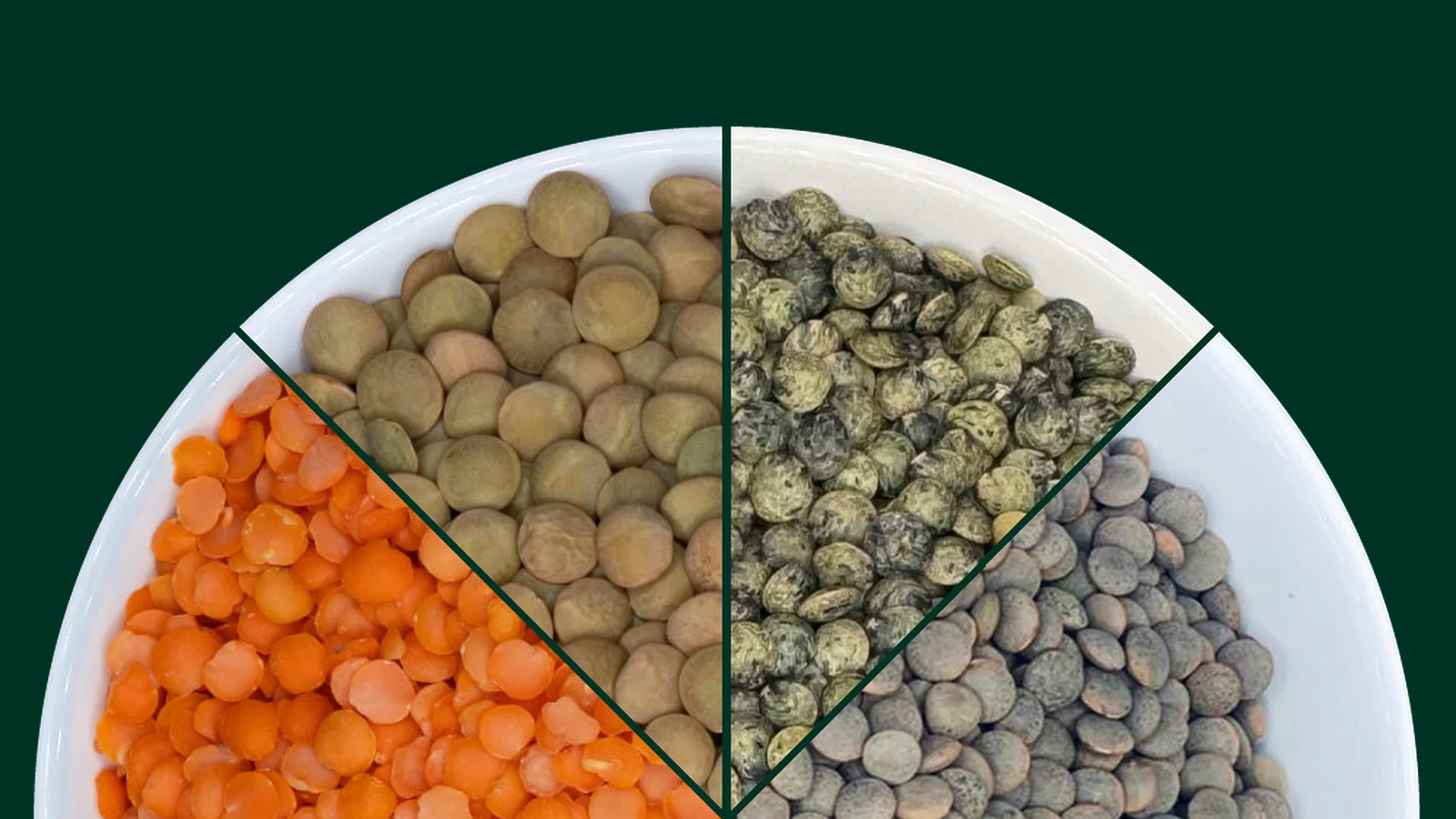
If you work in food manufacturing or ingredient procurement in Australia, you most likely already buy lentils. But the term “lentil” covers a surprisingly wide range of products with very different behaviour in processing, and choosing the wrong type for your application can mean reformulation headaches or unhappy customers.
This is not a home cook’s guide to lentils. It’s a practical breakdown of the major lentil types available in the Australian market, what each one does well, and what to watch for when sourcing.
Red Split Lentils
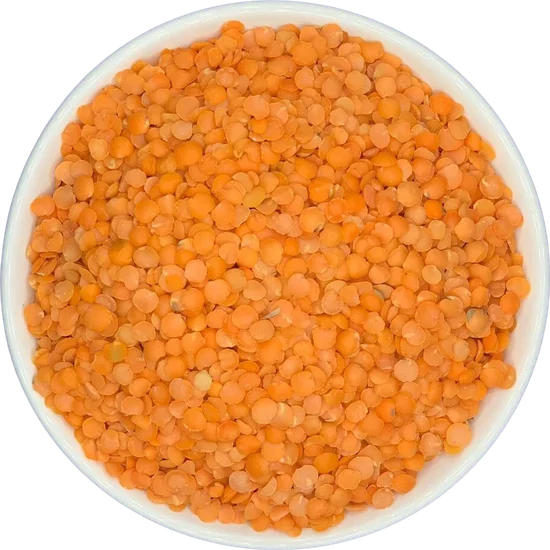
Red Split Lentils are the workhorse of the Australian lentil market. They’re dehulled and split, which means they cook fast and break down into a smooth consistency. That breakdown behaviour is exactly what manufacturers want for soups, dal-based ready meals, baby food, and lentil-based sauces.
Australia grows plenty of red lentils, particularly in South Australia and Victoria. That makes them one of the more price-stable lentil types, less exposed to international freight costs and currency fluctuations than imported varieties. We move plenty of Australian red split lentils and occassionally organic from Turkey.
One thing to watch: red splits lose their colour under prolonged heat. If your product needs to hold a vibrant orange-red through retort processing, you may need to adjust your expectations or your process.
Red Whole Lentils (Skin On)
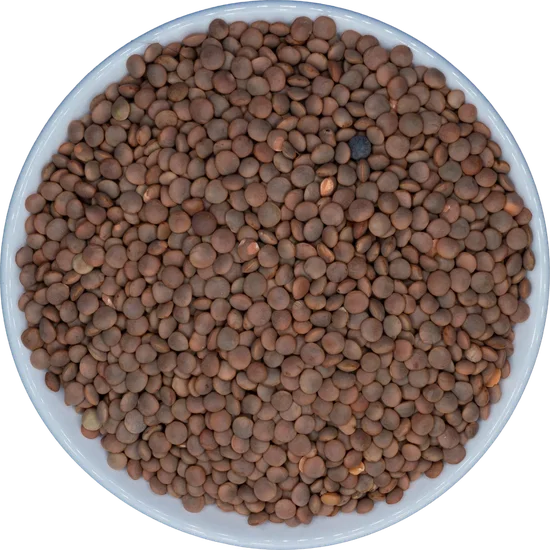
Red Whole Lentils – Skin On (sometimes called brown lentils or nipper lentils in the trade) hold their shape far better than splits. They’re the variety you’ll find inside most canned lentil products in Australia. If you’re manufacturing a product where lentils need to remain visually distinct after cooking, this is your starting point.
The skin adds an earthy, slightly nutty flavour and gives the lentil more structural integrity through heat processing. For canning, retort meals, and any application where you need lentils to look like lentils on the plate, skin-on whole reds are the reliable choice at a competitive price point.
Red Whole Lentils (Skin Off)
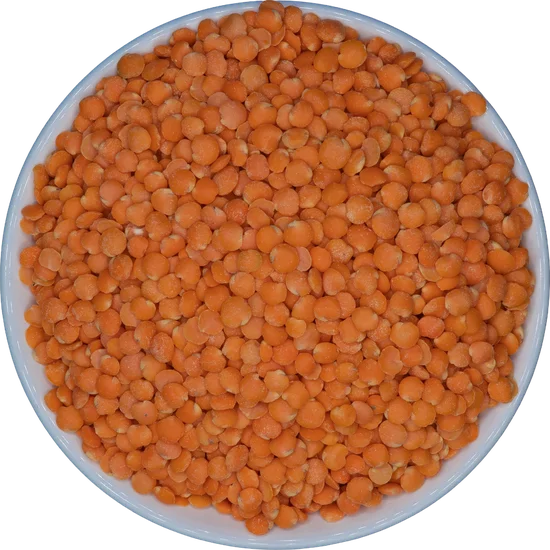
Red Whole Lentils – Skin Off sit between the splits and the skin-on variety. They hold shape better than splits but still soften considerably. They’re popular in South Asian food manufacturing, particularly for dal where you want a slightly chunkier texture without the earthy skin flavour. At TFB we often call them football lentils due to their round shape.
Without the skin they cook faster and produce a cleaner, milder taste. They work well in ready meal formulations where you want some lentil texture but a smoother mouthfeel than the skin-on variety.
Green Lentils (Laird Lentils)
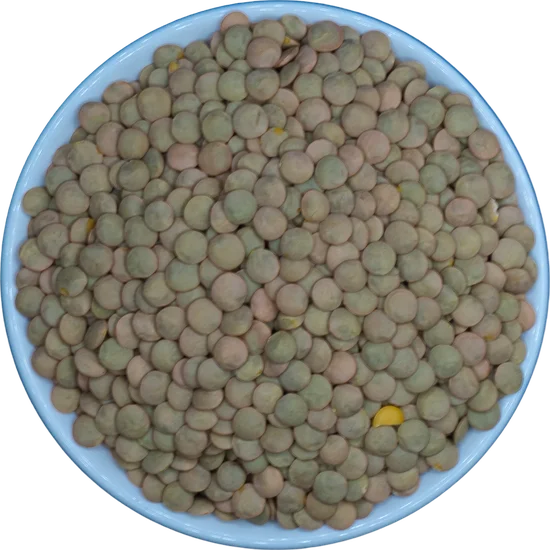
The term “green lentil” is used loosely in Australia, and it causes genuine sourcing confusion. When most people say green lentil, they typically mean the Laird variety. It’s a large, flat, greenish-brown lentil primarily grown in Canada.
Lairds hold their shape well through cooking, making them suitable for salads, side dishes, meal kits, and any product where the lentils need to stay intact on the plate. Mild earthy flavour that works across cuisines without dominating.
The sourcing challenge is that Australia doesn’t grow them in meaningful commercial quantities. We import primarily from Canada, which has created supply gaps in recent years when Canadian crops underperformed or logistics bottlenecked. If Lairds are critical to your product line, a forward contract or some buffer stock is worth considering.
Spanish Brown Lentils
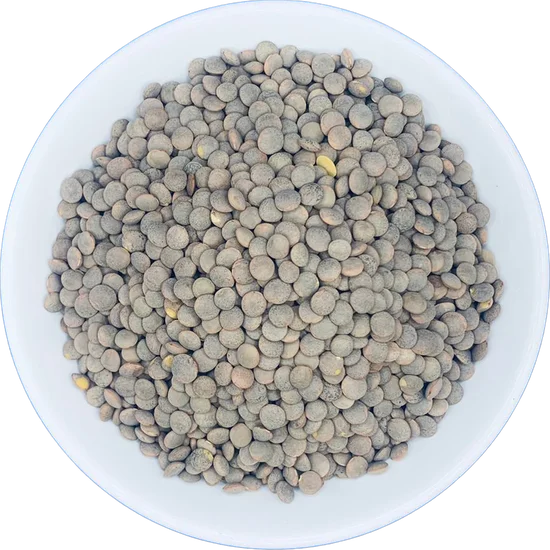
Spanish Brown Lentils are smaller than Lairds and darker in colour. They hold their shape reasonably well but soften more when cooked, sitting somewhere between a Laird and a red whole.
In manufacturing, Spanish browns work well in soups and stews where you want lentils present but not dominating. They absorb flavour readily and have a slightly nuttier taste than Lairds. Supply historically came from Spain and Turkey, though Canada and Australia also produce them in smaller volumes.
Puy Lentils (French Green Lentils)
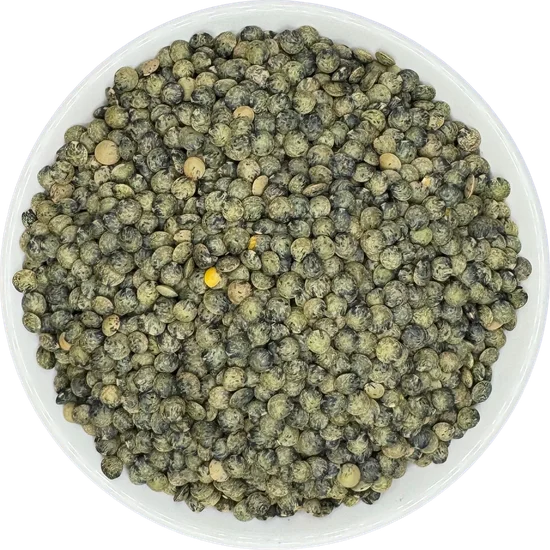
Puy Lentils are small, dark green to slate-coloured, with a distinctive peppery flavour. They’re the firmest of all the common lentil types and hold their shape exceptionally well through cooking, even through retort processing.
That makes them attractive for premium ready meals, chilled salads, and food service applications where presentation matters. The trade-off is price. Puy lentils carry a significant premium over red or green varieties, and wholesale prices can be several times higher than commodity lentils.
True Puy lentils carry a French AOC designation from the Le Puy region, but the term is widely used for any lentil of that type regardless of origin. Most product in the Australian market is Canadian-grown.
Black Beluga Lentils
Beluga lentils are small, round and jet black, named for their resemblance to caviar. They hold their shape well and have a rich earthy flavour that adds visual contrast to dishes. In manufacturing they turn up in premium salad mixes, grain bowls, and meal kits.
Supply is more limited than other types and pricing sits in a similar range to Puy. Not a volume product for most manufacturers, but worth a look if your positioning is premium. We have carried black beluga lentils before so don’t hesitate to enquire if you are interested.
Red Lentil Flour
Red Lentil Flour is getting more traction with manufacturers working in gluten-free, high-protein, or pulse-based products. It goes into pasta, crackers, flatbreads, and extruded snacks. Protein content is notably higher than wheat flour, and it carries a clean label: just milled lentils.
The functional behaviour is quite different from wheat flour though. Water absorption, binding, and colour contribution all need to be accounted for in formulation. If you’re trialling it for the first time, start with a blend rather than a full substitution.
What’s the Best Type of Lentil?
Of course this depends on your use case. It comes down to one question: does this lentil need to hold its shape, or do you want it to break down?
Soups, sauces, baby food, smooth dal: red splits. Canning and products where shape matters at a competitive price: red whole skin on. Salads, meal kits, premium applications: Laird, Puy, or beluga depending on your price tolerance. Flour-based reformulation: red lentil flour as a blend component.
The other consideration is supply. Domestically grown red lentils are your most stable option. Anything imported from Canada (Laird, Puy, beluga) carries freight, currency, and crop-year risk that needs to be managed.